The short version
- Turn everything off, read the meter, wait an hour, read it again. Movement means water is going somewhere.
- Run it a second time with the internal stopcock shut. Still moving means the supply pipe before the stopcock.
- The test proves a leak exists. It does not say where, and nothing non destructive does.
- Ask for a written trace and access report if you intend to claim.
The expensive mistake with a suspected leak is starting at the wrong end. A damp patch on a wall, a warm spot on a floor, a bill that has jumped: all three are reasons to suspect a leak and none of them is proof of one. Condensation, a failed tile grout and a change in occupancy all produce the same symptoms, and all three have had floors lifted for them.
So before any detection equipment comes out, there is one test that settles the question, and you can run it yourself this evening.
Running the test
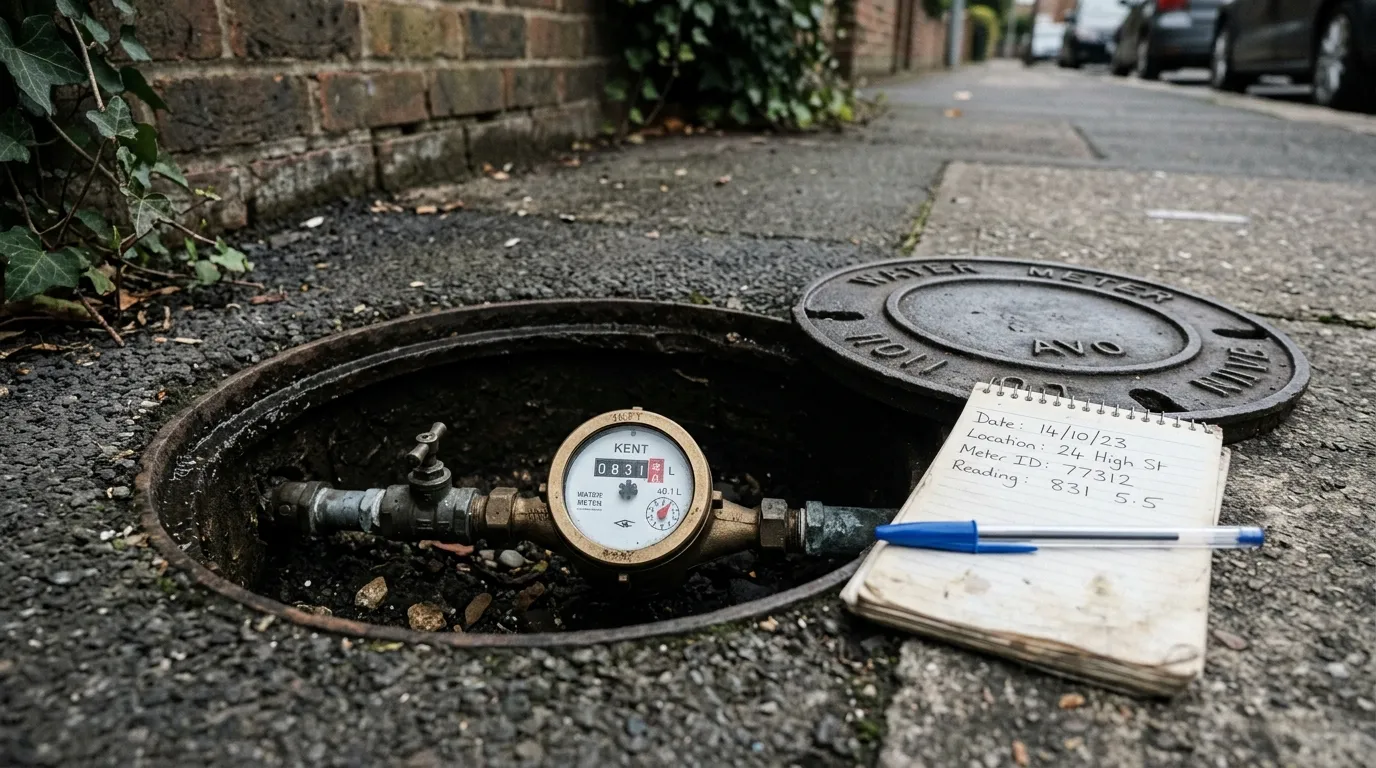
Turn off everything in the property that uses water. Taps, obviously, but also the dishwasher and washing machine mid cycle, the ice maker, the water softener, and the heating if it has an auto fill. Then go and find the meter, usually in a pavement chamber at the boundary or under the kitchen sink in a flat.
Write down every digit, including the red ones that count litres. Photograph it, because transcription errors are the commonest reason this test gets run twice. Then leave it an hour with nobody using water, and read it again.
Identical readings mean nothing is escaping. The damp is coming from somewhere that is not the supply, and that changes the job entirely: you are looking at condensation, a roof, a waste pipe or a failed seal, none of which the supply plumber is the right person for.
A higher reading means water left the system and did not come out of a tap. Now it is worth finding.
The second half nobody runs
The first test tells you water is going somewhere. It does not tell you which side of the house it is leaving from, and that is a different trade and a different bill.
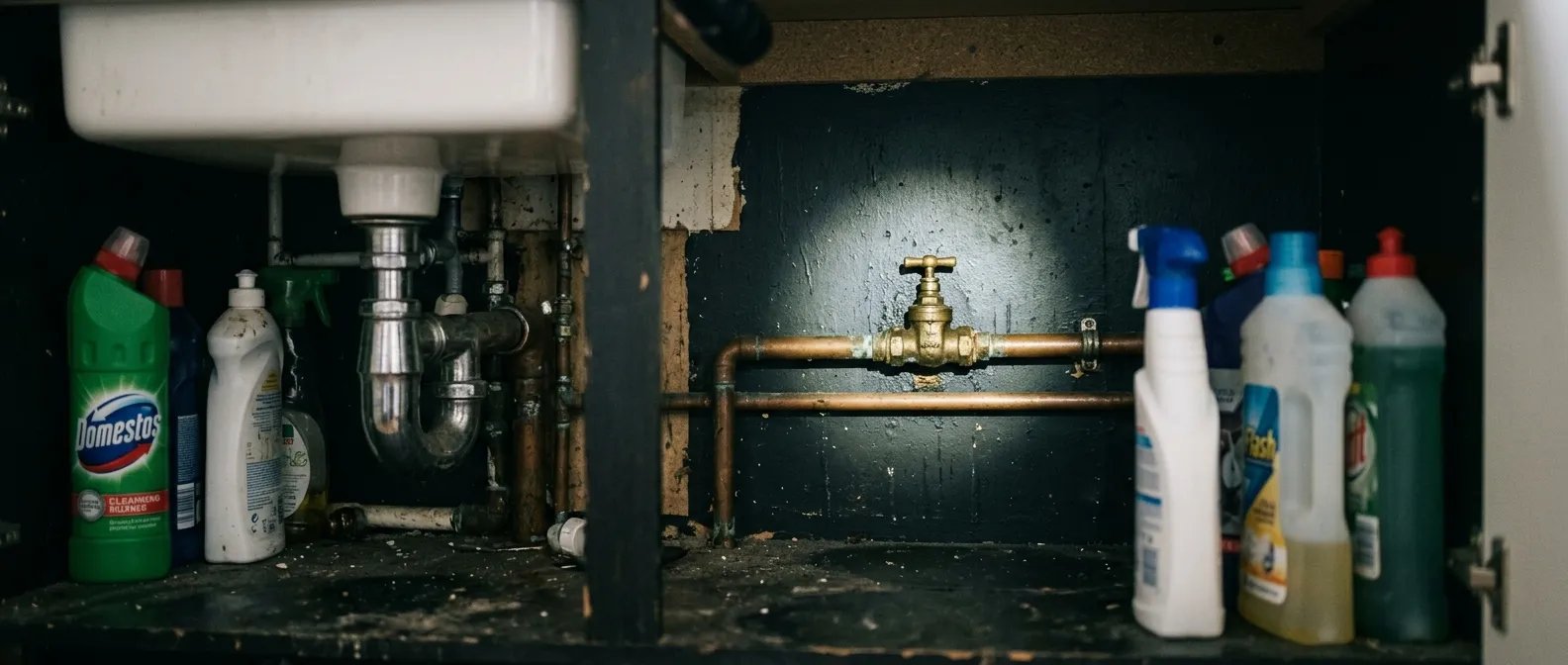
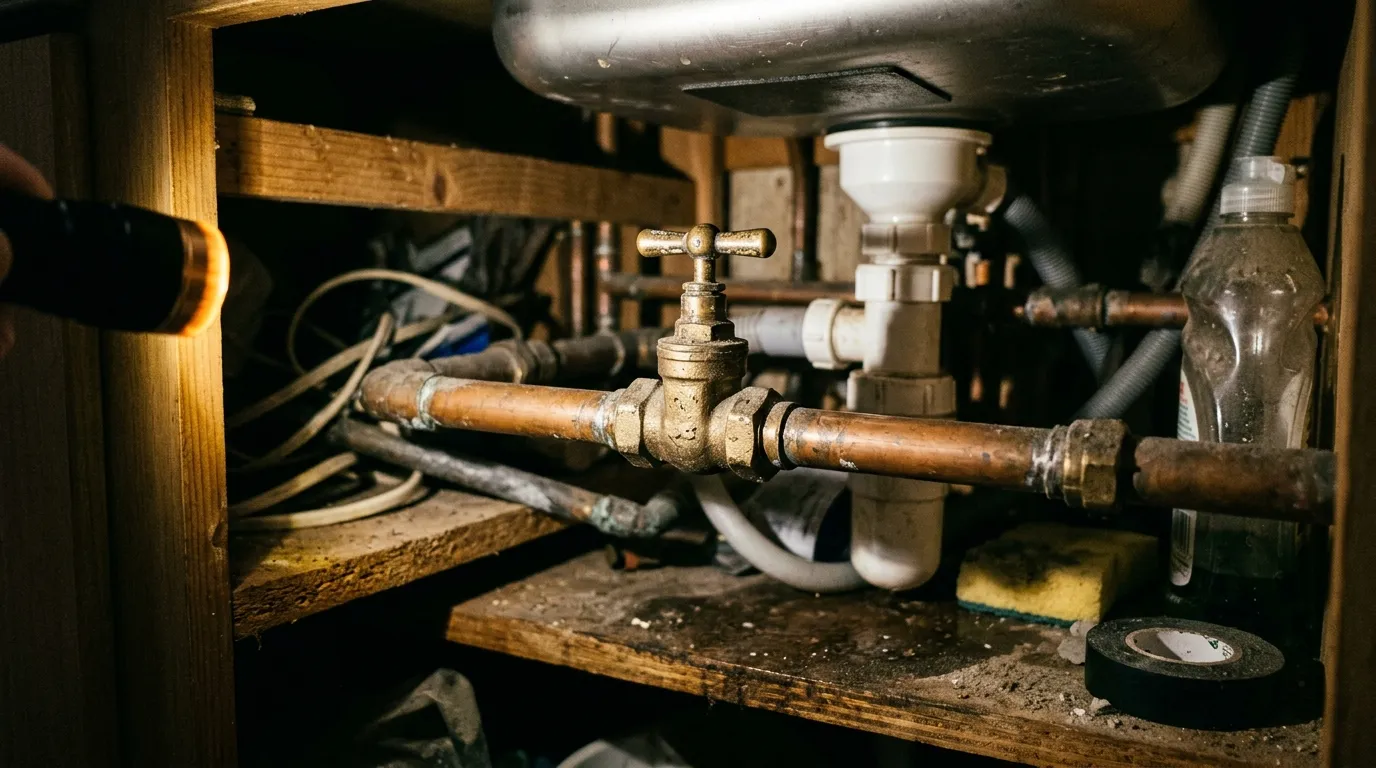
So run it again, with the internal stopcock shut this time. The stopcock is usually under the kitchen sink, in an airing cupboard or in a hallway floor hatch. If it will not turn, leave it: a snapped spindle floods the property, and that is a worse afternoon than an unresolved leak.
With the stopcock shut, the whole of the plumbing inside the house is isolated from the meter. If the meter now sits still, the leak is inside, somewhere in your pipework. If the meter keeps moving with the stopcock shut, the loss is on the supply pipe between the meter and the house, which on a London property is often a lead or old plastic run under a drive, and is a different repair with a different owner.
What the test cannot do
It cannot tell you where. A litre an hour disappearing under a screed shows up on the meter identically whether it is losing itself under the hall or under the back bedroom, and no amount of re reading narrows it down.
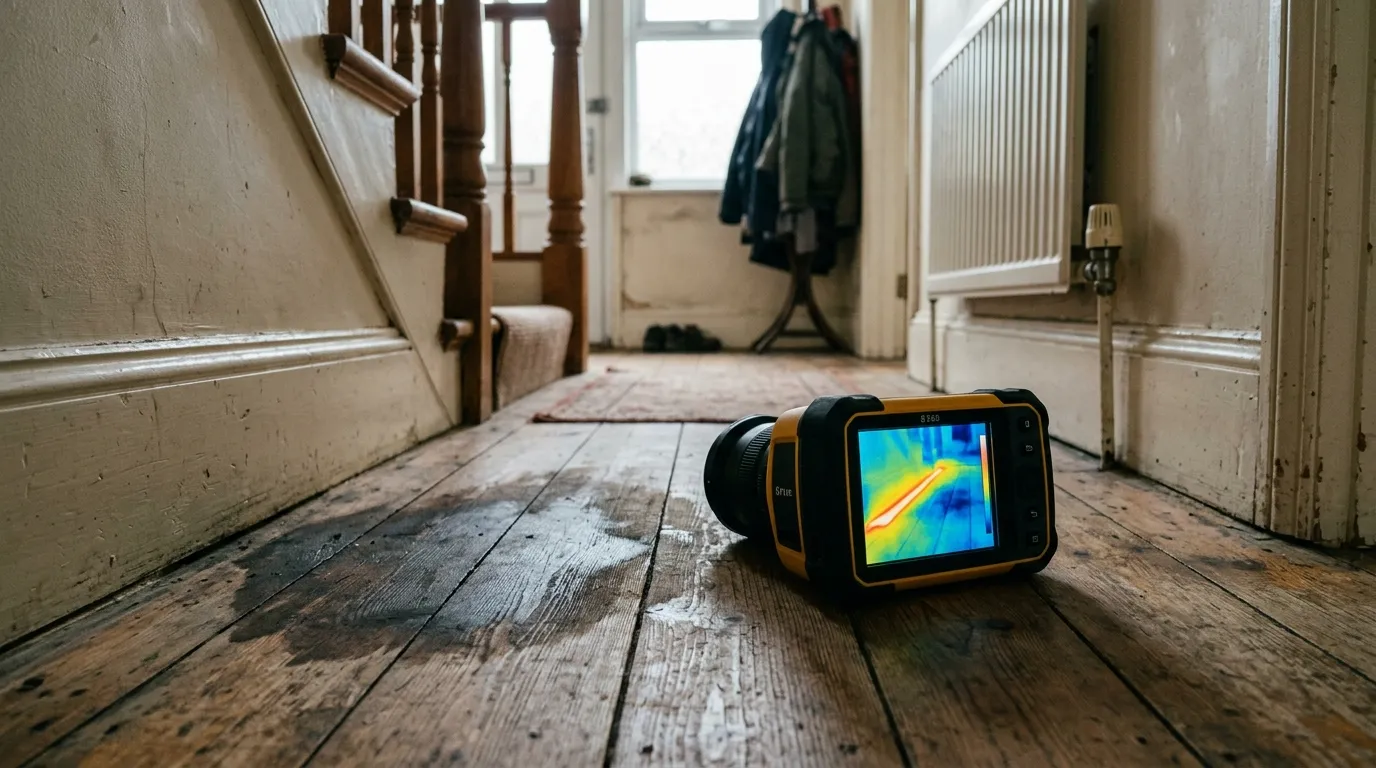
That is what leak detection is for, and it is worth knowing what the methods actually do. Acoustic listening picks up the hiss of water escaping under pressure, which works well on a mains pipe and badly on a slow weep. Thermal imaging finds the temperature difference a heating leak makes under a floor, and finds nothing on a cold supply that has been leaking long enough to reach ambient. Tracer gas is put into the drained pipe and read at the surface, and is the one that works when the other two have not.
Which method suits your leak depends on what it is leaking from and how fast, which is precisely what the meter test establishes. Run it first, write the numbers down, and the visit afterwards starts from something known.
Run the test, photograph both readings, and send them with the postcode. It is the one piece of information that makes a detection visit shorter.